
At a Glance
The best reusable makeup remover pads in the UK are not a single kind of product.
Some are soft round pads that still need a cleanser. Others are microfibre cloths that lift makeup with water alone.
In the Good Housekeeping tests, Facetheory’s £15 set scored 85/100 and Primark’s £2 pack of ten scored 84/100.
Most roundups stop at a ranking. This guide also covers the washing routine and how long a set takes to pay for itself.
Which type of reusable pad suits your routine?
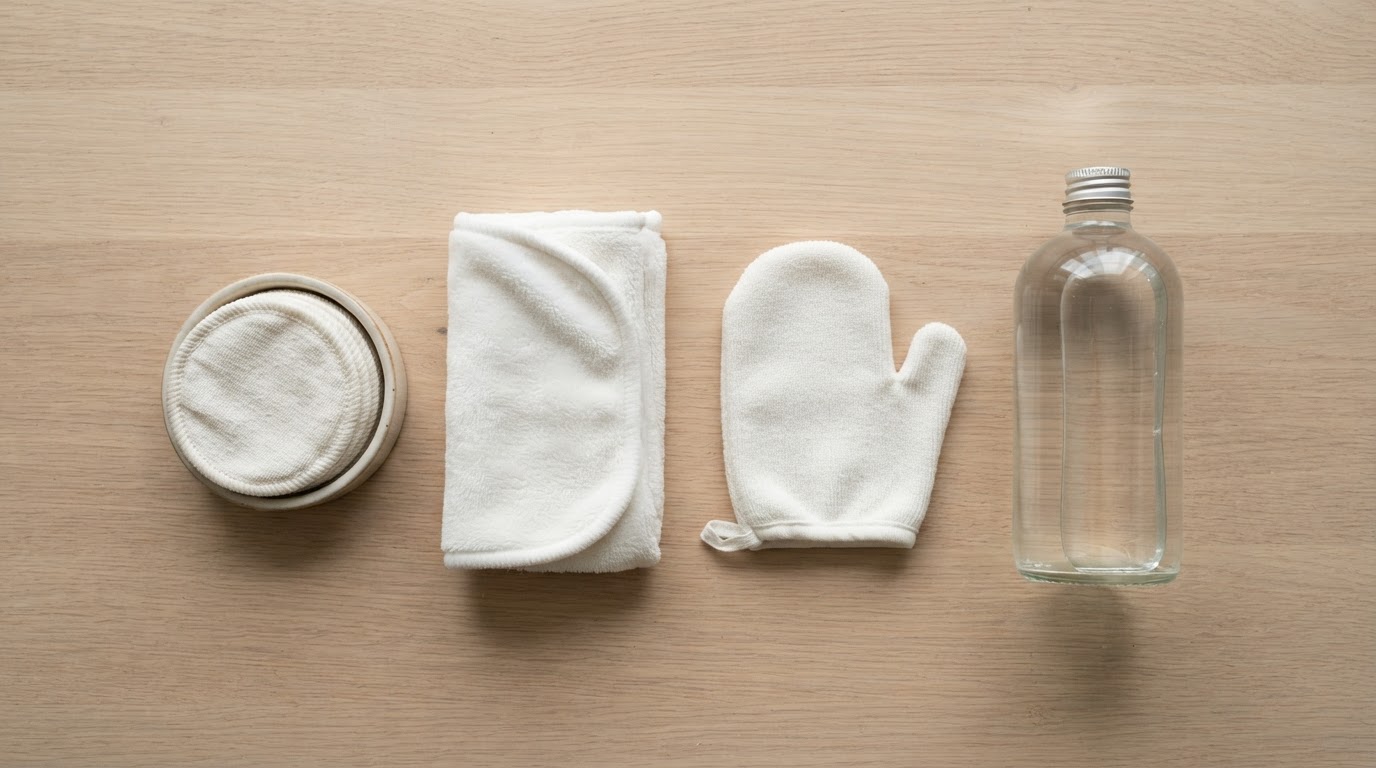
Reusable products fall into three groups, and the group matters more than the brand.
- Cotton, bamboo or velvet pads, used with cleanser or micellar water like a disposable pad
- Microfibre cloths, used damp with water only
- Cleansing mitts, which slip over the hand and also exfoliate a little
Good Housekeeping advises choosing something soft, such as microfibre, bamboo, fleece or brushed cotton, because facial skin is more delicate than skin elsewhere (Good Housekeeping UK, updated April 2024).
Real users describe the difference in plain terms. In a Mumsnet thread from 12 December 2021, one user wrote that terry pads are “just like mini flannels” and fine for cleanser, but “I didn’t like them on my eyes”.
The same user added that their new Last Round reusable pads were “soft, pick up liquid just like cotton wool and rinse out easily” (Mumsnet, 12 December 2021).
Another poster in that thread dropped pads altogether and uses a balm cleanser with a muslin cloth, which they found more cost effective and longer lasting.
A water-only cloth suits a light everyday face, but heavy eye makeup usually needs a remover and a pad that can hold it against the lid.
Before buying, it helps to weigh what a reusable pad gives up against a disposable one.
- No repeat purchase of cotton pads
- Gentler than wipes, which rely on preservatives that can sting dry or sensitive skin
- Can last for hundreds of washes
- Extra laundry and drying time
- Heavy eye makeup can stain the fabric
- Waterproof mascara can beat water-only cloths
The best reusable makeup remover pads UK shoppers can compare: six picks from one test
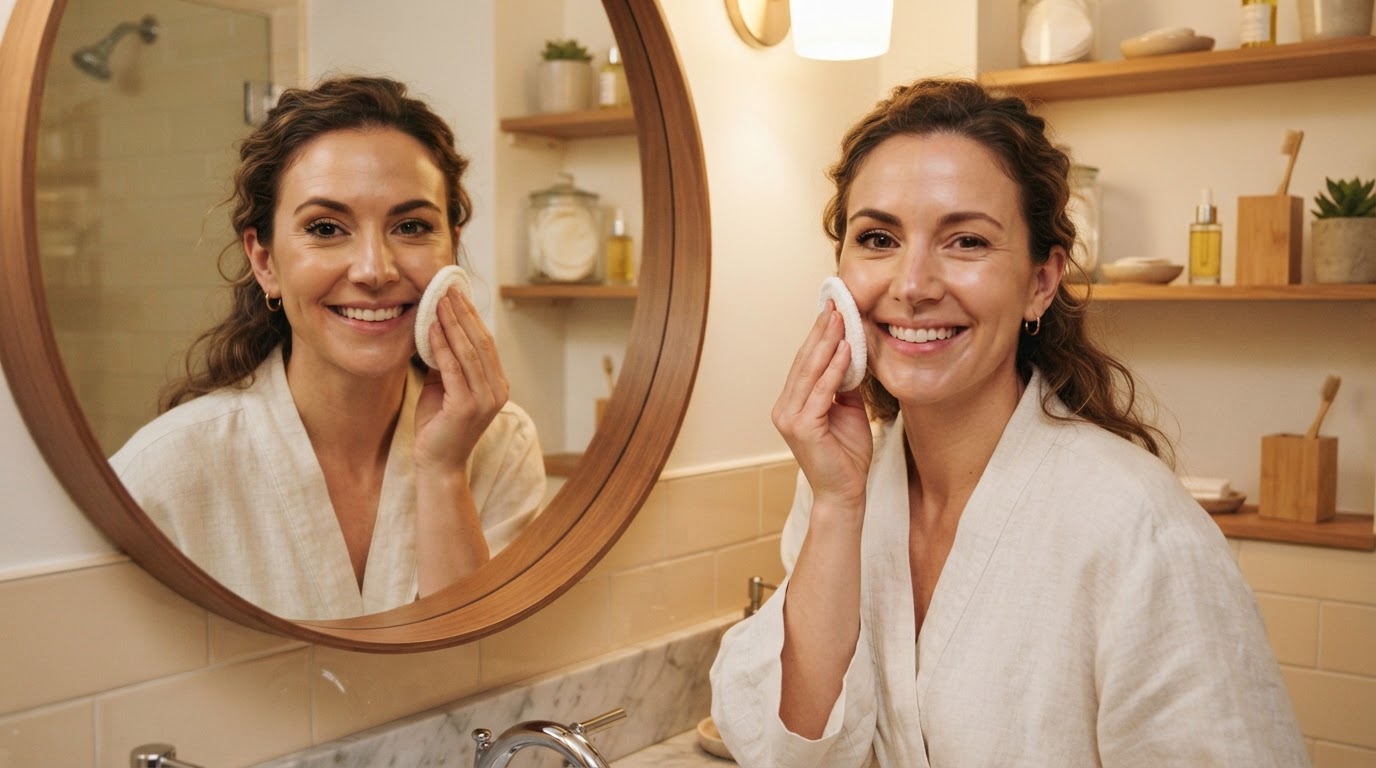
The most detailed UK test found was run by the Good Housekeeping Institute, which had testers trial 12 reusable products over two weeks.
In the lab, it applied waterproof eyeliner, foundation and lipstick to artificial skin and counted the swipes needed to remove each one (Good Housekeeping UK, updated April 2024).
The table shows six of its results, with the scores and prices listed at the time of testing.
| Product | Type | In the pack | Use with | Score | Listed price |
|---|---|---|---|---|---|
| Facetheory Tendertouch | Cotton pads | 8 pads and a bag | Cleanser only | 85/100 | £15 |
| Primark 10pk reusable pads | Cotton pads | 10 pads | Cleanser or micellar | 84/100 | £2 |
| Bambaw reusable pads | Velvet and terry | 12 velvet, 4 terry, bag | Cleanser only | 81/100 | £8 |
| Danielle Creations Erase Your Face | Microfibre cloth | 1 cloth | Water only | 81/100 | £9 |
| Tabitha Eve organic rounds | Cotton and bamboo | 5 pads | Water only | 79/100 | £5 |
| Cheeky Wipes makeup removal kit | Minky and bamboo | 10 pads, bag, coconut oil | Cleanser only | 71/100 | £14 |
Prices move, so check the current price before buying.
The standout is the budget result. Of the Primark pads, one tester said they were “gentle on the skin but harsh on makeup” and removed stubborn mascara well.
A few testers found them too small, while others liked the control that gave them around the corners of the eyes.
The Danielle Creations cloth averaged 6/10 in the lab test, and the Tabitha Eve rounds also struggled with waterproof mascara.
That does not make water-only products poor value. It means they suit a daily face of light makeup better than a full waterproof eye look.
Pair a microfibre cloth with a separate eye makeup remover for waterproof formulas, then use the cloth for the rest of the face.
That test does not cover the whole UK market. A Stylist round-up (accessed November 2026) lists Face Halo pads at £18 for three and Skin Proud microfibre pads at £12.95 for two, both used with water only.
The same round-up lists Garnier microfibre pads at £8.99 for three. Garnier says each lasts up to 1,000 washes and suggests pairing them with micellar water, while Face Halo’s claim that one pad replaces 500 wipes is a brand figure.
How long until reusable pads pay for themselves?
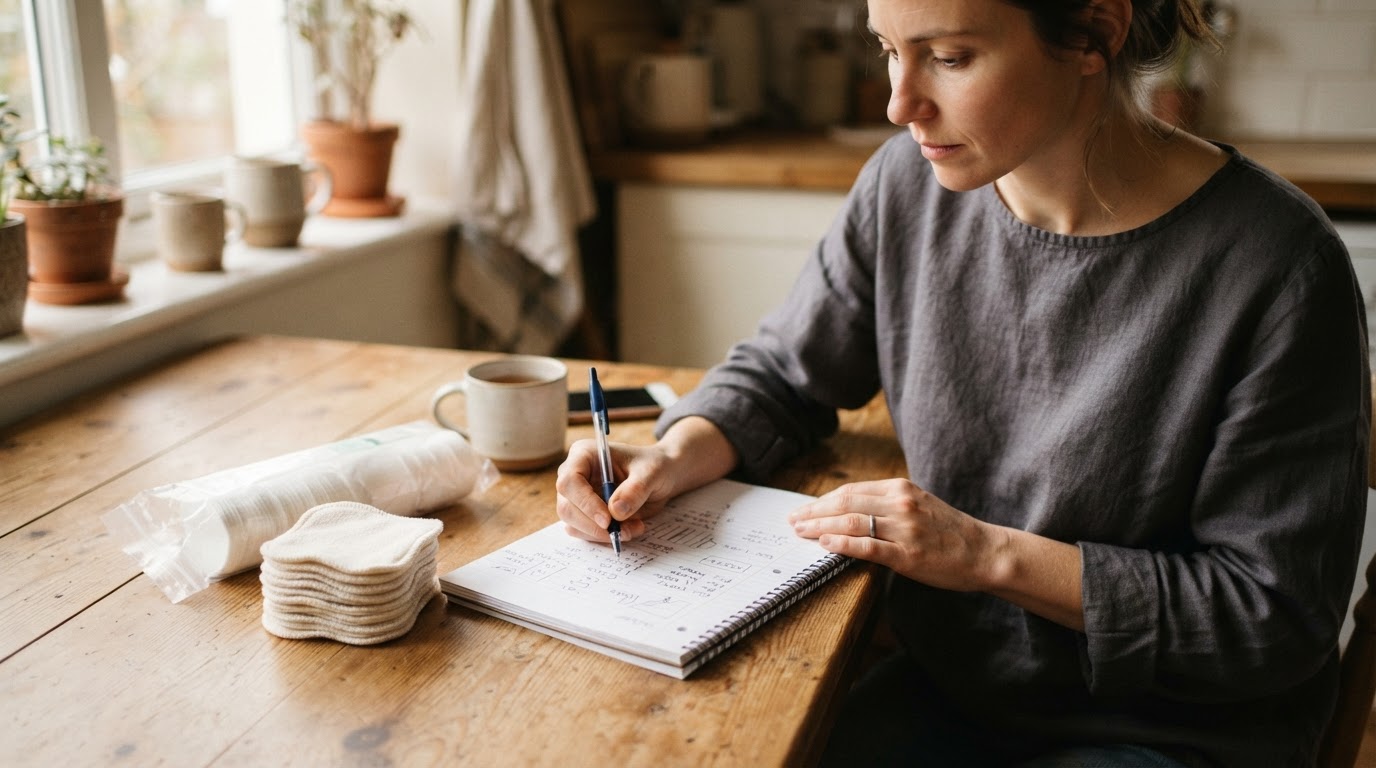
Payback only counts the pads. A reusable set still needs your cleanser, micellar water or remover, so that cost does not go away.
Here is the sum with hypothetical numbers, not real prices. A pack of 100 disposable pads at £1.50 costs 1.5p a pad.
Using two pads a night costs 3p a night, so an £8 reusable set would pay back after about 267 nights, or roughly nine months.
Real pack prices vary, so the calculator below lets you enter your own.
Work out your own payback
This tool compares the price of a reusable set with the disposable pads you use now, using the number of pads you use each night.
Divide the price on your disposable pack by the number of pads inside, then check how many you actually use each night.
Lifespan matters as much as price. Good Housekeeping says that if they are washed and cared for correctly, most reusable pads, cloths and mitts last for years, with up to 500 or 1,000 washes.
The Danielle Creations cloth is described as machine washable up to 500 times.
Magnitone says its cloth can be reused 1,000 times at 30°C, which is the brand’s own claim.
How should reusable pads be washed so they stay clean?
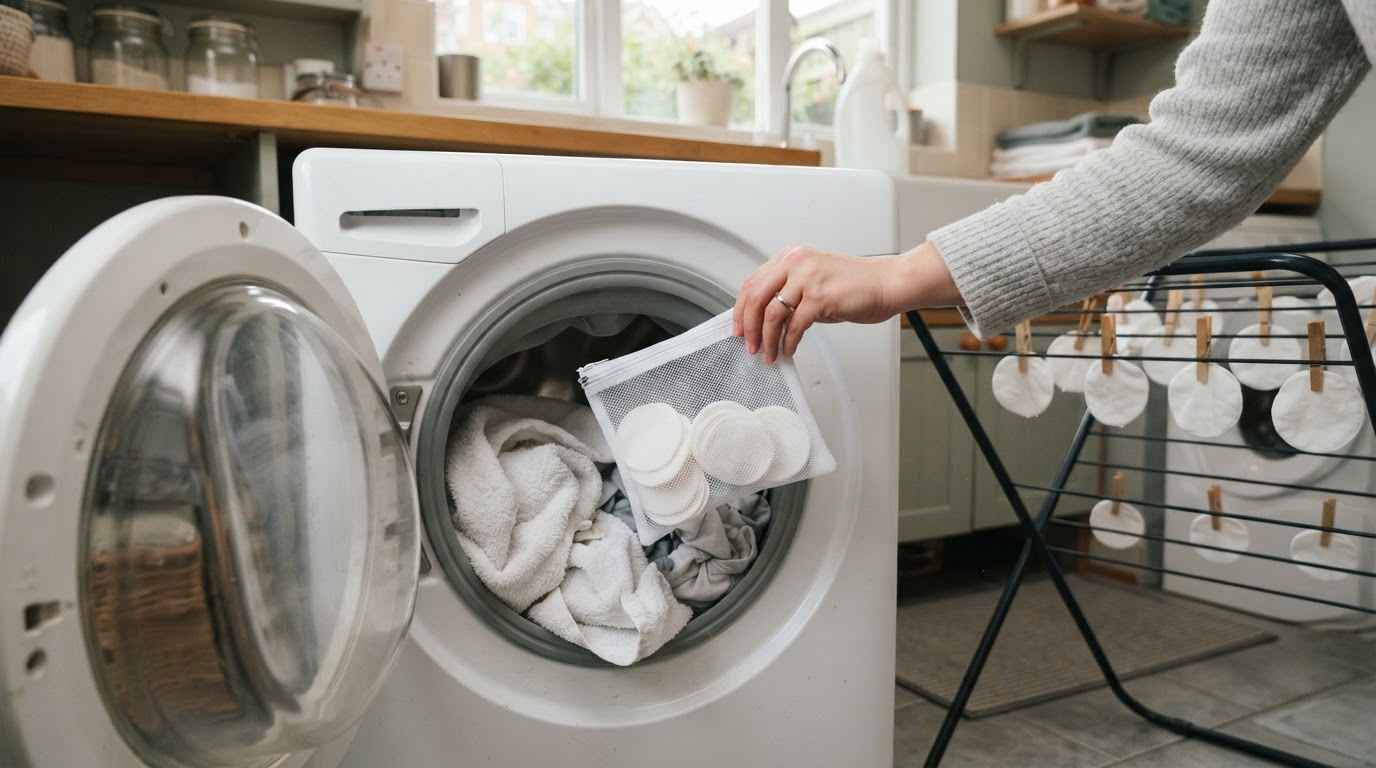
Washing is the part that decides whether the saving is real. Good Housekeeping notes that most reusable cotton pads can go in the washing machine, while others need hand-washing.
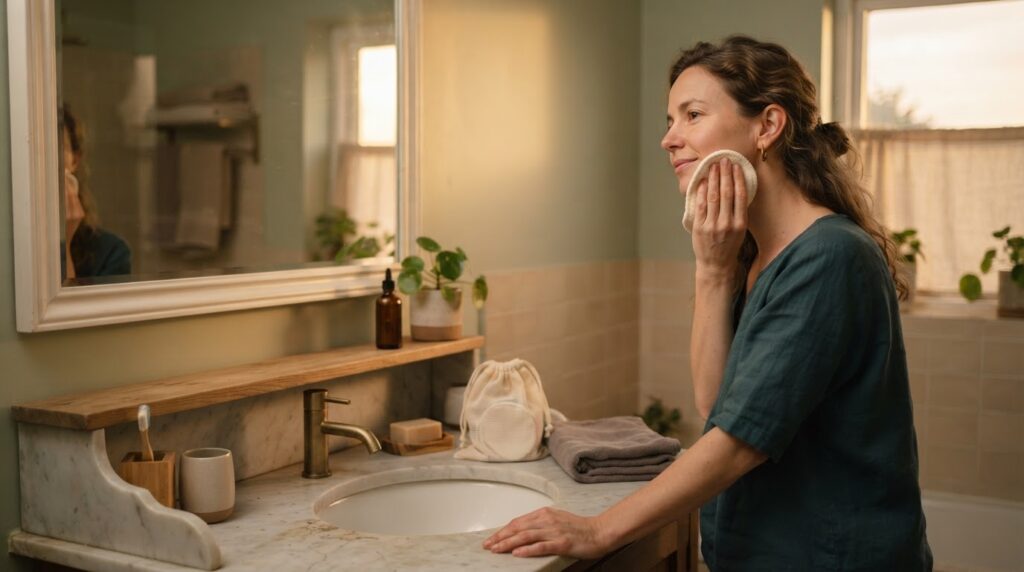
The packaging carries the instructions, and many sets include a mesh or cotton bag to keep the pads together.
One Mumsnet user said they put theirs in a hot wash with whites and hang the bag up to dry, without a tumble dryer. Another warned to always wash them in the bag, “because they get everywhere” (Mumsnet, 12 December 2021).
A routine that works for most sets:
- Rinse the pad under the tap after use, so makeup does not dry into the fibres.
- Hang it up to dry fully before it goes into a drawer or jar.
- Collect used pads in a mesh bag and wash the bag with towels or whites.
- Follow the label on drying, since heat can change the fabric.
Washing advice does not agree on one temperature. The Moral Fibres guide covers hand and machine washing, Magnitone lists 30°C for its cloth, and one Mumsnet user uses a hot wash, so the label on your own set comes first (Moral Fibres, updated June 2026).
Some pads also change shape. The Tabitha Eve rounds can shrink by up to 10% when washed, so Good Housekeeping advises a cool cycle and no tumble dryer.
In Summary
Choose the type before the brand. Most pads need a cleanser, cloths work with water, and waterproof mascara is where water-only products tend to struggle.
On the available test data, a £2 set can compete with a £15 one, so price is a poor guide to results.
The saving is real only if the pads are washed and dried properly, and the calculator above shows how fast it arrives for your own routine.
Common Questions
Can reusable pads be used for toner or nail polish?
Yes, they are designed to be used like disposable ones. Good Housekeeping says toner washes out easily, but nail polish may stain the fabric, though proper washing and drying should not affect cleansing ability.
Do reusable pads soak up a lot of cleanser?
Two users in the Mumsnet thread said they did not need extra product. One said they massage cleanser into the face first, then wipe it off, while another said the pad “holds the product well” without absorbing much (Mumsnet, 12 December 2021).
How many reusable pads do you need?
Enough to cover the days between washes. Two pads a night over a week means 14 in rotation, so a pack of 10 to 18 can suit many routines.
Are reusable pads suitable for sensitive skin?
Soft materials are the safer bet. In the Good Housekeeping tests, the textured Tabitha Eve rounds felt a little harsh around the eyes to some testers, and some found the Eco Panda fabric too harsh there too.
Do reusable pads fray or lose their shape?
Good Housekeeping noted minimal fraying or staining on the Bambaw pads, which were also easy to clean and quick to dry. Shrinkage is the more common issue, as the Tabitha Eve rounds show.