
At a Glance
Probiotic skincare products have moved from niche pharmacy shelves to mainstream drugstore ranges within a few years, promising a calmer, more balanced complexion by working with the skin’s own bacteria rather than against it.
The idea sounds simple: feed or add the right microorganisms, and the skin barrier gets stronger. In practice, what is actually inside the bottle, and how well it works, varies a lot from one product to the next.
This guide breaks down the mechanism behind probiotic skincare products, what the research actually supports, and how to match a product to your specific skin concern rather than picking whatever is trending.
What is probiotic skincare, and how does it work?
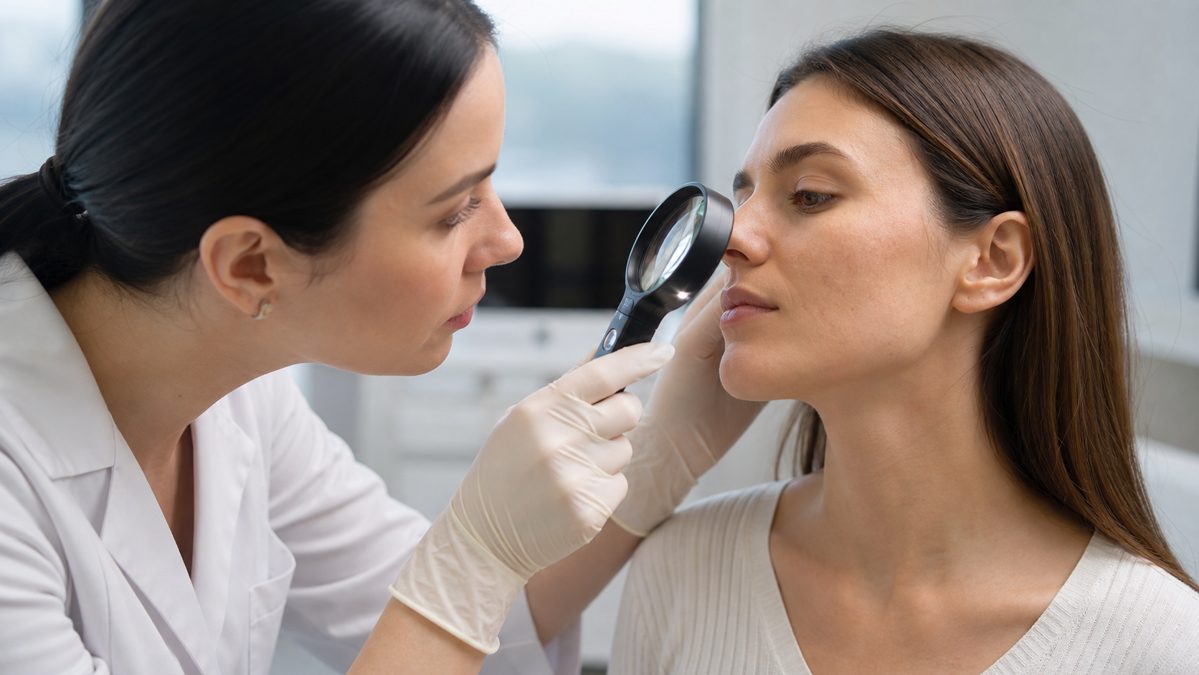
Skin hosts more than 1,000 bacterial species, living in a balance that helps fight off harmful microbes, regulates pH, and supports the barrier that keeps moisture locked in, according to Cleveland Clinic’s review of probiotic skincare.
When that balance is disrupted, by harsh cleansers, environmental stress, or overusing active ingredients, skin can become more reactive, drier, or more prone to breakouts.
Probiotic skincare products aim to support that balance directly. Depending on the formula, they add beneficial microorganisms, feed the ones already living on the skin, or supply the compounds those microorganisms leave behind once they have already done their work.
Probiotic, prebiotic, or postbiotic: what is actually in the jar?

The word probiotic gets used loosely on skincare packaging, and it rarely means what shoppers assume.
A true probiotic ingredient contains live microorganisms. A prebiotic ingredient contains no bacteria at all; it simply feeds the beneficial bacteria already living on the skin. A postbiotic ingredient goes a step further: it is made from the metabolites or fragments left behind after bacteria have fermented, with no live organisms present in the finished product.
Most jars labelled probiotic on a UK shelf actually contain lysates or ferments, not live bacteria, since keeping live cultures stable in a cream through shipping and storage is difficult. That is not necessarily a downside, postbiotic ingredients tend to be more stable and just as active in early research, but it is worth knowing what is actually being paid for.
What the research actually shows

Atopic dermatitis, one of the clearest examples of a disrupted skin microbiome, affects an estimated 15 to 20% of children and 2 to 10% of adults, according to a review of clinical trials on topical and oral probiotics published in the NCBI archive.
In trials using a Lactobacillus plantarum lysate, inflammatory markers linked to redness and irritation fell by a mean of 62%. Four weeks of topical use also produced a measurable drop in both water loss through the skin and sebum production.
Oral Bacillus subtilis supplementation reduced colonisation by Staphylococcus aureus, a bacterium linked to eczema flare-ups, by around 95% in the same body of research.
“Only some products on the market have undergone scientific testing, and only a few of those were actually tested on human skin,” according to Cleveland Clinic dermatology guidance.
That caution matters. The figures above come from controlled trials using specific concentrations, not necessarily the exact strength found in a finished retail cream, so results in everyday use tend to be more modest.
Matching probiotic skincare to your skin type

Priya, 34, has dealt with tight, flaky skin through every UK winter since her mid-twenties. Swapping her usual moisturiser for one built around a postbiotic ferment complex, while keeping the rest of her routine unchanged, was enough to noticeably ease the tightness within about a month, in line with the four-week timeframe seen in the trial data above.
Tom, 41, manages rosacea-related redness that flares whenever he introduces a new active ingredient. For him, a lightweight probiotic serum layered under a fragrance-free moisturiser was the safer route. Introduced on its own, with nothing else new for several weeks, it avoided the added risk of layering in another acid or retinol at the same time.
For breakout-prone or oily skin, a probiotic gel or lotion labelled non-comedogenic tends to work better than a rich cream, since the goal is calming inflammation without adding extra oil to already congested pores.
“My skin feels healthier and my areas of redness are disappearing,” reads a verified customer review of a probiotic moisturiser on LovelySkin.
Patch test on the inner arm for 48 hours, then introduce the product on its own for two to three weeks before adding anything else new. That way, any change in the skin can actually be traced back to the probiotic product rather than guessed at.
Quick check: is probiotic skincare worth trying for you?
What is your main skin concern?
Do you already use retinol, AHA, or BHA?
What probiotic skincare costs in the UK, and is it worth adding?
Prices for probiotic skincare products across UK retailers span a wide range, and a higher price does not reliably mean more live bacteria or better results.
| Price tier | Typical product type | What to expect |
|---|---|---|
| £15 to £20 | High-street moisturiser or cleanser | Usually ferment or lysate based, a reasonable starting point |
| £25 to £45 | Serum or targeted moisturiser | Often paired with niacinamide or ceramides for added barrier support |
| £70 and up | Specialist or clinic-brand formula | Higher concentration claims, though evidence is not proportionally stronger |
- Generally gentle enough for reactive skin across most formulas
- Can complement existing actives once the skin has adjusted
- Postbiotic versions are shelf-stable and travel well
- The evidence base is still developing for most formulations
- Not a substitute for treating diagnosed conditions like eczema or rosacea
- A higher price does not guarantee more live bacteria or a stronger effect
Patch test for 48 hours, then use the product alone for two to three weeks. Take a note of the starting point, dryness, redness, or breakout pattern, so any change can be compared fairly around the four-week mark rather than judged too early.
Even in the best-studied trials, meaningful change is measured in weeks, not days. The mean 62% drop in inflammatory markers cited above came from a lab-tested lysate concentration, which is not necessarily the exact strength found in a finished retail cream, so everyday results are typically more gradual.
In Summary
Probiotic skincare products work through a range of mechanisms, live bacteria, prebiotics, or postbiotic ferments, and the label alone rarely tells you which one is in the bottle.
The clinical data behind the category is genuinely promising for barrier support and calming inflammation, but it is not a replacement for treating a diagnosed skin condition, and results build over weeks rather than overnight.
Picking a product that matches a specific concern, dryness, redness, or breakouts, and introducing it slowly gives the best chance of actually noticing a difference.
Common Questions
Can probiotic skincare be used alongside retinol or acid exfoliants?
Yes, but it is best introduced gradually. Adding a probiotic product on alternate days at first, rather than layering it in every day alongside an existing active, makes it easier to spot any reaction and to see which ingredient is actually responsible for it.
Does probiotic skincare need special storage?
Postbiotic and lysate-based formulas are generally shelf-stable, since the microorganisms have already done their work before bottling. Products that do contain live cultures are more sensitive to heat and light, which is why they are more often sold in airless pumps and darker packaging.
Is it safe to use probiotic skincare during pregnancy?
No specific warning exists against topical probiotic, prebiotic, or postbiotic ingredients during pregnancy. As with any new skincare product introduced during pregnancy, checking the full ingredient list with a GP or midwife first remains the standard precaution.
How long does it usually take to notice a difference?
The clinical trials cited above measured change at the four-week mark, and that is a reasonable timeframe to expect in everyday use too. Judging a product before then, especially after only a few applications, rarely gives an accurate picture.
Can oral probiotic supplements replace probiotic skincare products?
They work in different ways rather than one replacing the other. Oral probiotics act through the gut and have been linked to reduced Staphylococcus aureus on skin, while topical products act directly on the surface. The research reviewed above often combines both, rather than treating one as a substitute for the other.