
At a Glance
Searching for the best affordable sustainable fashion brands UK shoppers can actually buy from tends to turn up huge, unfiltered lists.
Most of them name-drop dozens, sometimes hundreds, of brands without checking a single UK price or explaining what “sustainable” is supposed to mean in practice.
UK households buy more clothing per person than any other country in Europe, discarding over a million tonnes of clothes a year, with around £140m worth going straight to landfill (source: UK Parliament Environmental Audit Committee, Fixing Fashion, 2019).
This guide keeps the list short on purpose: real prices, a quick way to check a brand’s claims, and where secondhand fits into the budget.
How can you tell if a brand’s sustainability claims are genuine?
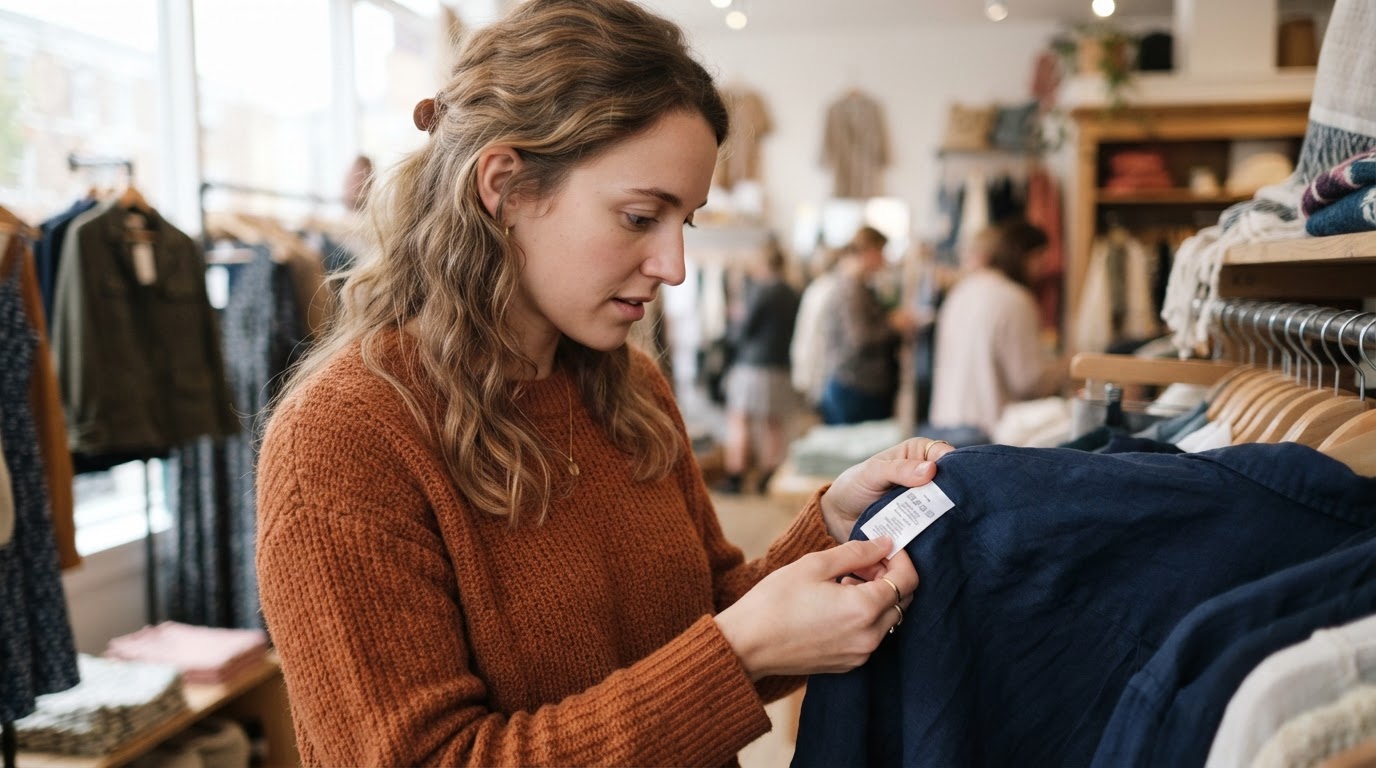
“Sustainable” has no legal definition in UK fashion retail, so a label printed on a hangtag proves very little by itself.
Three checks separate a substantiated claim from a marketing line.
- A named certification, such as GOTS for organic fibres or Fair Trade for labour standards, ideally with a certificate number rather than just a logo.
- A supplier or factory list published on the brand’s own site, not just a vague country of origin.
- A stated material percentage, such as “80% organic cotton”, rather than a generic “eco fabric” description.
A GOTS or Fair Trade certification usually covers one part of production, materials or labour, not the whole supply chain. A brand can be certified organic and still ship in plastic packaging or use conventional dyes.
Independent directories such as Good On You rate brands against all three of these criteria at once, which is a faster check than reading every supplier page individually.
Which UK brands provide affordable everyday basics?
For t-shirts, hoodies and other everyday pieces, a handful of UK-focused brands publish real prices rather than a “from” figure that never matches the checkout total.
| Brand | Typical UK price range | Best for |
|---|---|---|
| Rapanui | £20–£60 | Made-to-order basics, organic cotton t-shirts and hoodies |
| Honest Basics | £10–£40 | GOTS-certified everyday staples, including denim |
| Know The Origin | £22–£54 | Fair Trade cotton tees and simple dresses |
| BAM Bamboo Clothing | £20–£70 | Bamboo activewear and base layers |
Prices and stock change, so treat this table as a starting point for comparison rather than a fixed catalogue.
Which brands deliver fashion-led pieces without the fast-fashion price tag?
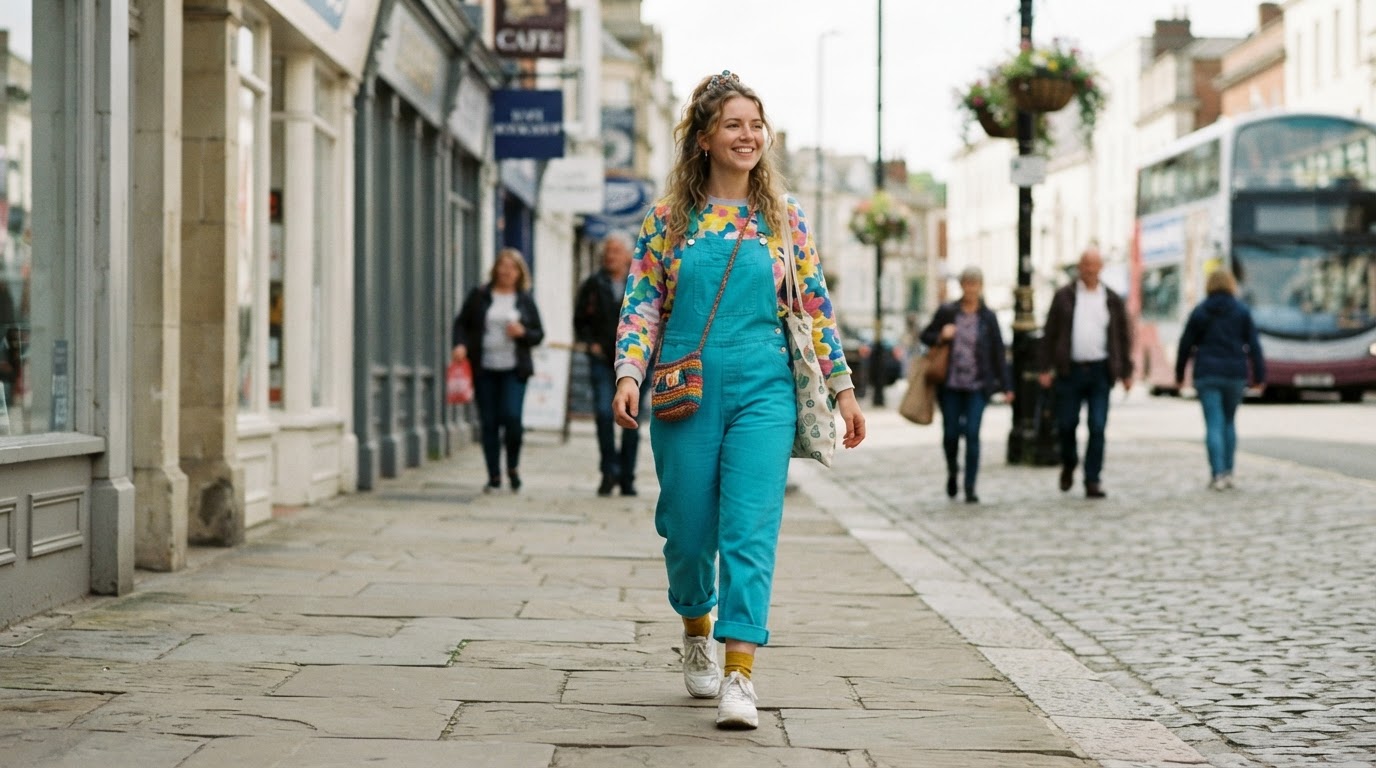
Not every reader wants minimalist basics. A separate group of UK brands leans into trend-led shapes and colour while keeping prices closer to high street than to designer.
Nobody’s Child and Thought Clothing both sit in a similar £25–£90 range for dresses, knitwear and outerwear, built from organic cotton, recycled fibres or Tencel.
Typical case: a reader replacing three fast-fashion tops a season could instead buy one well-made piece from this tier. It should survive several seasons of regular wear, which changes the real cost per wear even though the sticker price looks higher.
Sign up to a brand’s newsletter before buying. Most of these companies run a genuine end-of-season sale rather than a permanent “50% off” banner, so waiting a few weeks can bring prices closer to high street level.
Which affordable sustainable brand actually fits you?
Budget, style and priority (materials, labour, or price above all) pull in different directions, so the table above won’t suit every reader the same way.
Answer the three quick questions below to get a starting point matched to your own priorities.
Find your best-fit brand type
Is secondhand or resale a genuinely affordable option too?
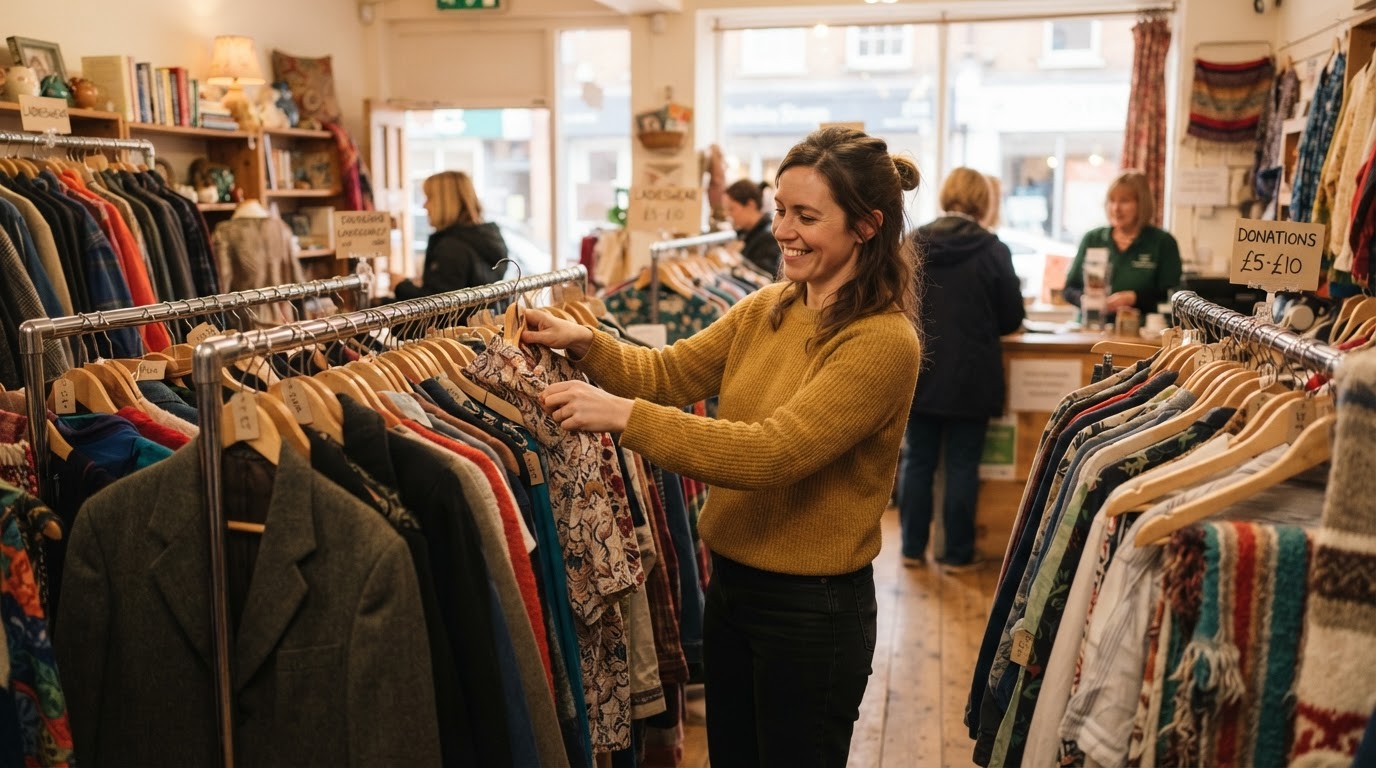
Buying nothing new at all is usually the cheapest and lowest-impact option, and it deserves a place next to any brand list.
- Prices well below even the cheapest new sustainable brand
- No new manufacturing involved
- Platforms like Vinted and Depop, plus charity shops such as Oxfam Online, give UK-wide access
- Sizing and condition vary item by item, with no guarantee before purchase
- Popular sizes in good condition sell quickly
- Searching takes longer than a single brand’s size chart
Treating secondhand as a first stop for basics, and new affordable-brand purchases for the pieces that are harder to find used, tends to stretch a clothing budget the furthest.
Why does sustainable clothing sometimes cost more than fast fashion?
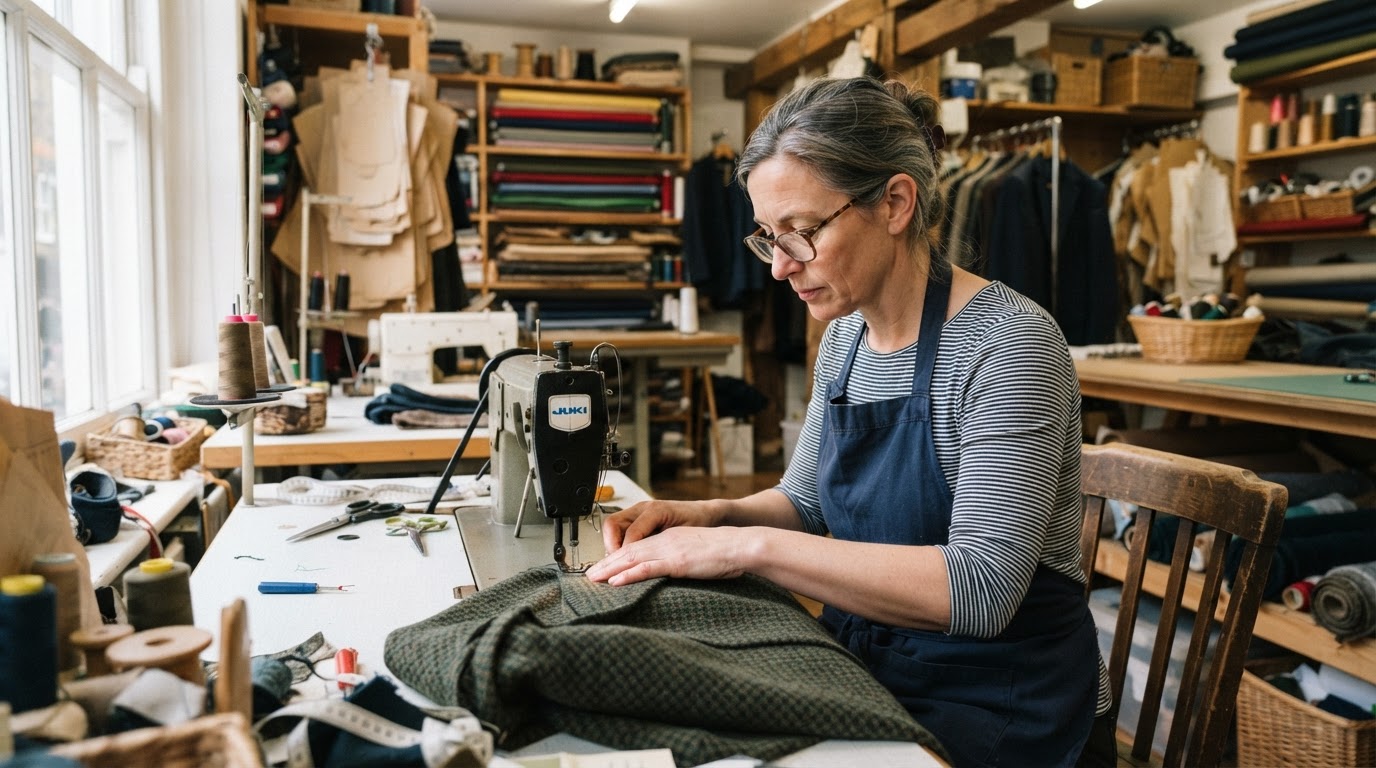
A fair wage paid at every stage of production, from growing the fibre to sewing the final seam, shows up directly in the price tag long before a brand adds any markup.
Organic or recycled fibres also cost more to grow or process than conventional cotton or virgin polyester, and small production runs lose the economies of scale that fast fashion relies on.
Typical case: a £35 organic cotton t-shirt and a £6 fast-fashion t-shirt can use a near-identical amount of fabric, so most of that £29 difference sits in labour, certification audits and smaller order volumes rather than in the fabric itself.
Before buying, check a brand’s own “about” or “supply chain” page for a factory list or certification number. If neither exists after a genuine search, treat any sustainability claim on that page as unverified.
In Summary
A short list beats a long one here: a handful of UK brands with real, checkable prices and certifications will serve most readers better than a 200-brand directory.
Checking for a named certification, a published supplier list and a stated material percentage takes a few minutes and filters out most greenwashing before a purchase is made.
Secondhand platforms and charity shops remain the cheapest and lowest-impact option for basics, leaving a new-brand budget for the pieces that are harder to find used.
Common Questions
Can plus-size or petite shoppers find affordable sustainable fashion in the UK?
Size range varies a lot by brand. Nobody’s Child and BAM both extend into plus sizes, while several smaller affordable brands stop around a UK 16-18, so it’s worth checking a brand’s size chart before assuming coverage.
Do affordable sustainable brands offer free UK returns and delivery?
Policies differ brand by brand and change over time, so this is worth confirming at checkout rather than assuming. A brand that charges for returns can still work out cheaper overall if sizing runs true and fewer returns are needed.
Is it worth paying more for a garment that will last longer?
Dividing the price by the realistic number of wears gives a clearer answer than the sticker price alone. A £45 piece worn 100 times costs less per wear than a £12 piece replaced after ten washes.
What is the difference between a UK-based brand and one that only ships to the UK?
A UK-based brand designs and often manufactures locally, which usually means shorter shipping and easier returns. A brand that only ships to the UK may be based and produce entirely overseas, which doesn’t make it less sustainable but is worth knowing before assuming “local”.
Are recycled polyester and organic cotton equally sustainable?
They solve different problems. Recycled polyester reduces reliance on new plastic but still sheds microfibres in the wash, while organic cotton avoids synthetic pesticides but uses more water to grow. Neither is a universal best choice for every garment type.